Rap Might Be Bad for You

Let’s be real: rap used to mean something deeper. It used to be the rhythm of resilience — a voice for the voiceless, a cry from the hood to the world. But somewhere along the way, the message changed. These days, it can feel like so many rappers preach nothing but chaos — flexing fake morals, toxic pride, and distorted values as if destruction itself is a form of success.
And the truth is, they don’t actually influence everybody. They only influence weak-minded people — those still searching for identity, approval, or validation. That’s not an insult; it’s just a reality. When someone doesn’t yet know who they are, they start borrowing identities from whoever looks powerful, rich, or cool — even if that person’s message is hollow. And that’s where modern rap becomes dangerous.
The illusion of power and rebellion
Rappers often present themselves as rebels — against society, poverty, rules, even morality. On the surface, that sounds thrilling. Who doesn’t love a little rebellion? But underneath that swagger is often a script built on insecurity. Most lyrics today revolve around proving dominance — through violence, greed, or betrayal. It’s no longer about fighting the system; it’s about fighting each other.
When you strip away the beats, what’s left? Endless talk about “getting money by any means,” sleeping with your friend’s girl, taking what isn’t yours, or turning on people who were loyal to you. That’s not confidence — that’s emotional emptiness dressed up as success. And when you constantly feed your brain messages about selfishness and hate, it shapes how you see the world.
Music isn’t just sound. It’s programming. It rewires moods and mindsets. So, when someone listens to hours of poisonous lyrics glorifying deceit, violence, and jealousy, it eventually normalizes those things.
Why weak-minded people soak it up
Strong-minded people can listen to anything without being moved from their purpose. They know who they are. But the weak-minded — those unsure of themselves, detached from direction, or desperate for respect — absorb what’s around them. They imitate because they want to belong. And social media has made that even worse.
Young fans see rappers draped in chains, driving foreign cars, surrounded by luxury — and they start to believe that’s what success looks like. What they don’t see is the spiritual bankruptcy underneath. They don’t see the broken families, the stress, the paranoia, or the self-destruction beneath the surface. The image becomes their idol, and idols only leave you empty.
It’s not just that rappers glorify negativity; it’s that they convince people that negativity is strength. Being ruthless is sold as power. Betraying someone is “loyalty to yourself.” Taking instead of building becomes “the hustle.” And for those without strong moral grounding, it’s dangerously seductive.
Make a one-time donation
Make a monthly donation
Make a yearly donation
Choose an amount
Or enter a custom amount
Your contribution is appreciated.
Your contribution is appreciated.
Your contribution is appreciated.
DonateDonate monthlyDonate yearlyRap used to raise consciousness — now it lowers it
Old-school rap had heart. It carried messages of community, survival, love, and purpose. Tupac could switch between fiery rebellion and emotional vulnerability in a single verse. Nas painted pictures of social awareness and street realism without glamorizing misery. Even artists like Public Enemy and Common used hip-hop to raise consciousness, not lower it.
Now, most mainstream rap feels like fast food — quick dopamine, no nutrition. You’re not feeding your soul; you’re numbing it. People leave songs feeling hyped but empty, charged with negativity but lacking direction.
And this cycle keeps the industry profitable. The darker the energy, the more it sells. Labels know chaos gets clicks — beefs, disses, controversies, arrests. They feed off that because outrage equals attention. The rappers become puppets in a machine that rewards dysfunction. And the fans? They’re just consumers of poison disguised as art.
The cost of no personality
Ever notice how so many rappers sound the same in interviews? Same voice, same slang, same attitude. No spark of individuality, no real story beneath the surface. It’s like they’ve all been trained to act numb — too “cool” to care, too “real” to think, too distant to feel.
That’s because fame in today’s rap world requires conformity, not character. The moment someone shows depth, they’re called “soft.” If they speak on peace, they’re told they’ve fallen off. So they hide their real selves behind filters of arrogance and apathy, hoping to look untouchable. But the result is the same: soulless repetition.
When they sit down for interviews, there’s no conversation — just image maintenance. The music, the money, and the machismo have replaced genuine humanity. It’s like watching a mirror that reflects nothing back.
The spiritual side of the problem
What’s scary is how deep this goes beyond music. The energy of what you repeatedly consume becomes the energy you carry. If you’re constantly filling your mind with messages about betrayal, lust, and greed, you slowly desensitize yourself to them. They stop feeling wrong and start feeling normal.
That’s why some people who live on a steady diet of toxic rap also struggle with empathy. Their emotional range shrinks. Their idea of respect becomes fear, and their sense of love gets replaced by possession. The spirit behind the sound matters. And right now, much of mainstream rap carries an energy that drains instead of uplifts.
The way out — choosing better
The truth is, rap doesn’t have to be poison. It can still heal, teach, and empower. The genre was born from pain but also from purpose. But to reclaim that, listeners have to demand better — and artists have to dare to evolve. As long as weak-minded fans cheer for destruction, rappers will keep selling it. Change starts with the consumer.
If you want proof that not all rap is corrupting, look at the underground scenes building messages around growth, community, and self-knowledge. Artists like J. Cole, Kendrick Lamar, or even old Kanye West before the fame spiral — they remind us that introspection can still sound good.
So, before you hit play, ask yourself one thing: What am I letting into my spirit? Music is medicine when made with heart, but poison when made from ego. And if rappers have no personality, if their art feels empty — maybe it’s because they’ve traded their souls for streams.
The real rebellion now isn’t imitating them. It’s protecting your peace from them.
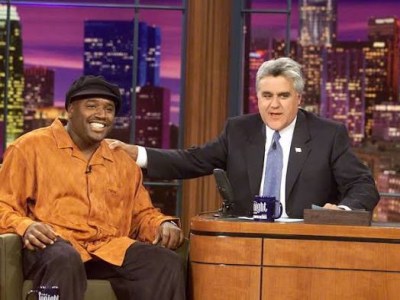
Corey Holcomb vs. Anton Daniels: The Internet Circus No One Needed
Corey Holcomb and Anton Daniels’ clash shows how poor communication fuels online chaos. Are grown men turning debates into digital drama?

Young Thug and Gunna, 21 Savage ignited a broader debate about street codes
After calling for peace between Young Thug and Gunna, 21 Savage ignited a broader debate about street codes and whether rap’s old rules still matter. “Real street dudes ain’t really on the internet like that,” he said — and that one line said a lot more than people realized. It’s wild how one sentence can…
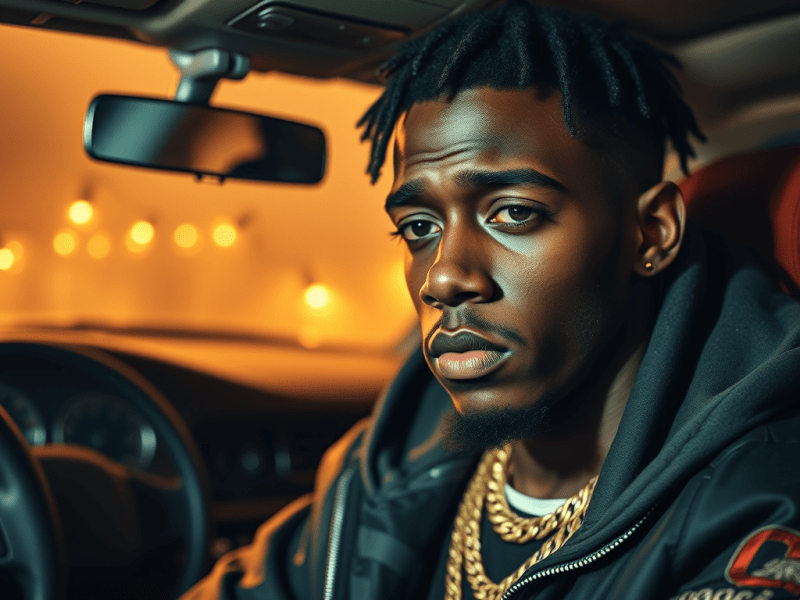
Why Rappers and Athletes Lash Out – The Pressure of Being “The Man” Young
The journey of young rappers and athletes reflects the hidden pressures of sudden success. Overnight fame transforms them into providers for their families, leading to emotional struggles and unrealistic expectations. Training often neglects mental health, resulting in explosive behaviors. A cultural shift is needed to prioritize boundaries, mental support, and healthy coping strategies.
 Genweglobal
Leave a comment